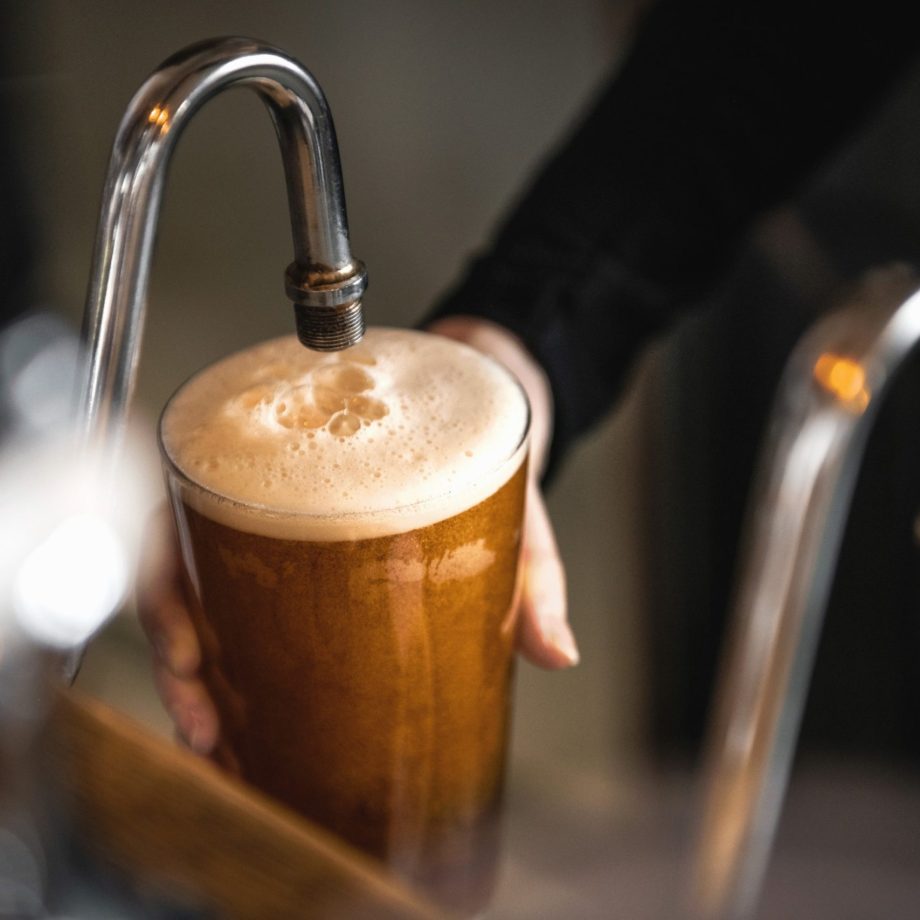
Hot stews and casseroles, pies, lots of gravy, boozy hot drinks, and… dark winter beers. When the weather turns, so does our appetite. Summer’s crisp lagers and refreshing tropical IPAs quietly step aside, and now we’re craving something darker, something with a bit more depth — maltier, smoother, more comforting beers that are made for long cold evenings, low light, and good conversation.
That’s where our guide to winter beers comes in.
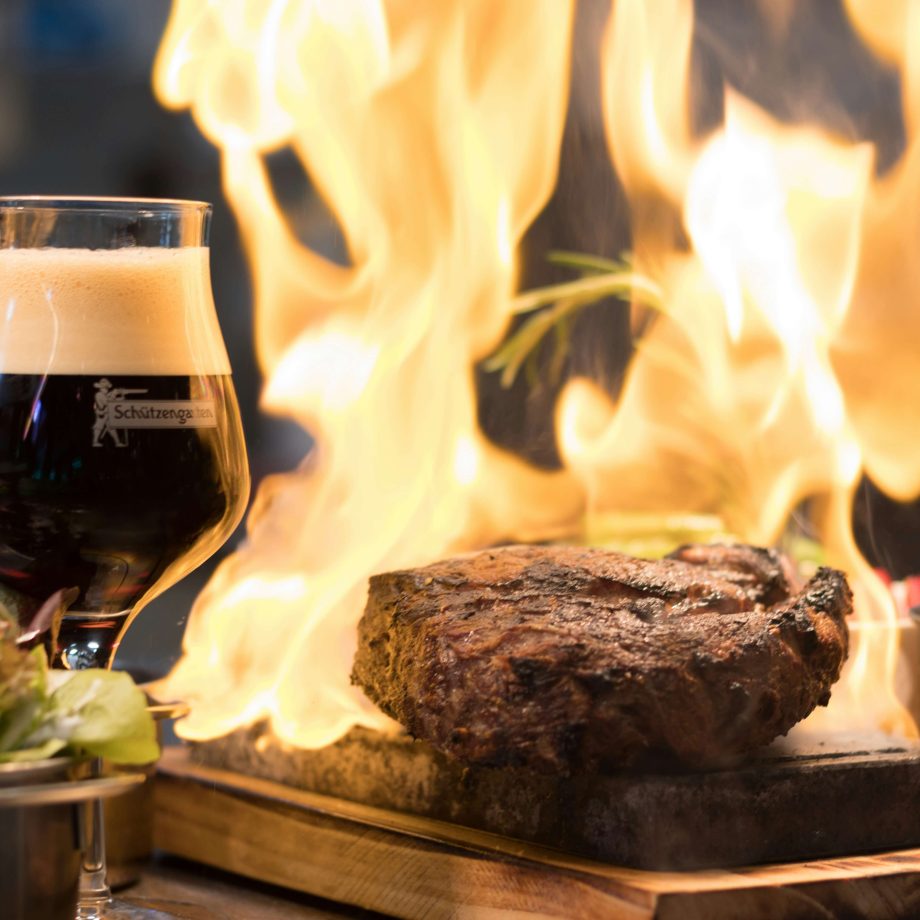
These beers are best poured slowly, savoured properly, and enjoyed exactly where they belong… in a warm pub with real fires and the right atmosphere.
Why Winter Beers Taste Better When It’s Cold
Our tastes change with the seasons, and just as we begin to crave warm comfort food over cold salads and BBQs, we also naturally lean towards fuller-bodied beers, richer malt flavours with spice and complexity, and drinks with smoother, gentler carbonation.
A “winter warmer” like this will sit comfortably in your hand, warm you from the inside out, and reward you the longer you stay. These beers aren’t made for demolishing under the sun, they’re made for sipping in the glow of a warm fire.
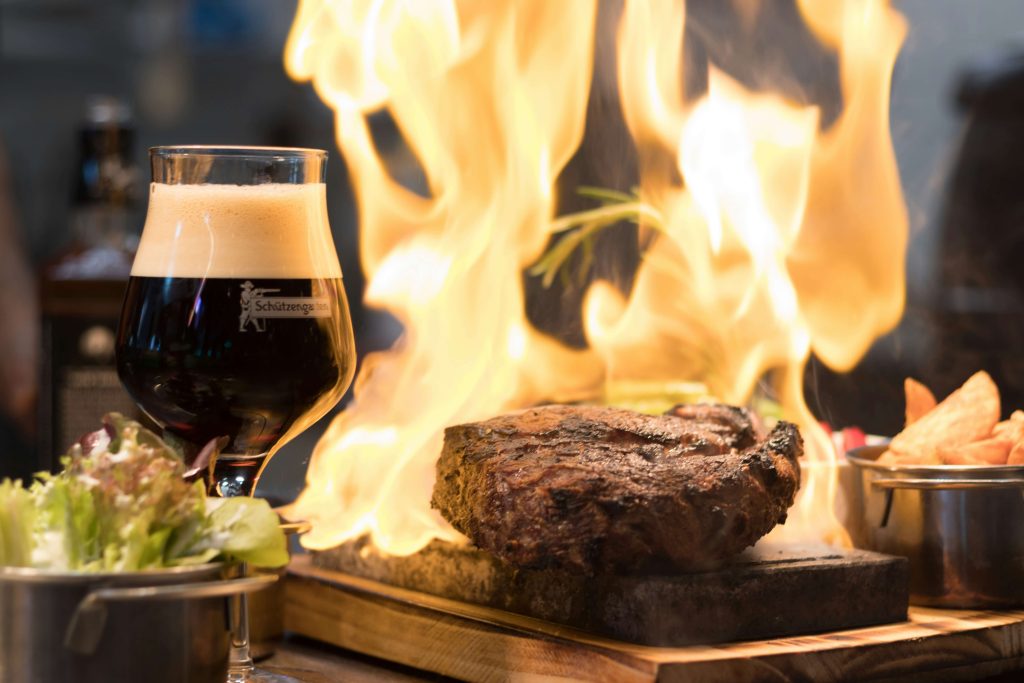
If you’ve ever wondered what actually makes a “beer dark”, that’s covered in our What Is Dark Beer? guide.
What Is “Winter Beer”?
Winter beer isn’t a technical category. It’s just a seasonal term for beers that suit colder nights. Beers with flavours that feel warming, rounded, and unhurried. These become associated with winter the same way mulled wine and cider do.
That said, they do share a few characteristics:
- Winter beers usually have a malt-led flavour profile (think bread, biscuit, caramel, chocolate, coffee, dark fruit, smokiness)
- There’s less of an emphasis on sharp bitterness, zingy citrus, or tropical flavours
- You’ll get a smoother, creamier, softer finish
- Often (but not always) you’ll get hints of winter spice (clove, cinnamon, ginger)
- Winter beers range from medium amber to very dark brown in colour.
- Often (but not always) they have a higher ABV than summer lagers and fruity IPAs.
What matters most though is not strength, but structure. A well-made 4% bitter can feel more “wintery” than a thin 6% beer if the balance is right.
Best Winter Beer Styles
Porters & Stouts
This is what most people will picture when they think of a winter beer — and for good reason. These beers are brewed for depth, roast, and smoothness, rather than sharp bitterness.
Where Those Flavours Come From
We talk more about different beer flavours and where they come from in our guide to beer tasting.
The chocolate, coffee, and cocoa notes you’ll often taste in a porter or stout aren’t additives — they come from darkly kilned and roasted malts. Think of bread in a toaster. The more you toast it, the darker it becomes, the richer the flavour.
- Roasted barley and dark malts bring coffee, espresso, and cocoa flavours
- Chocolate malt adds dry chocolate and toastiness
- Longer kilning creates deeper colour and richer aroma
- Many porters and stouts use restrained hopping; the aim here is to balance malty sweetness with a little smooth bitterness — the hops aren’t the main feature.
Despite the richness, well-made porters and stouts are rounded and balanced, not heavy or cloying.
Best Porters and Stouts to Try
It’s easy to think of Guinness as the first option, but there’s a huge array of tasty porters and stouts out there to try. Here’s what we recommend (you can try any of these at The George):
- Pig & Porter Apparition Stout
- Whiplash Brewery – Slow Life (nitro stout)
- Fonthill Where’s Me Jumper (porter)
Smooth and warming with rich chocolate and crystal malts.
Best Porter and Stout Food Pairing
Roast beef, steak pies, or slow-cooked meats. The roasted malt flavours mirror caramelised meat and gravy beautifully.
Bitters & Stronger Ales
Bitters and stronger ales are quietly some of the best winter pints. Especially if you want comfort without intensity.
Where The Flavours Come From
- The key with bitters and strong ales is malt balance rather than roast
- Maris Otter and similar base malts give biscuit and bread notes
- Crystal malts add caramel, toffee, and gentle sweetness
- Hops are present, but usually they’re earthy or floral rather than citrusy
- Lower carbonation for extra softness and drinkability
The result is a beer that feels warming and satisfying, but still easy to come back to pint after pint.
Must-try Winter Bitters and Strong Ales
- Fonthill Best Bitter
- Earthy, nutty, and gently bitter with a smooth mouthfeel
Best Food for Bitters and Stronger Ales
Sausages and mash, shepherd’s pie, or Sunday roasts. The malt sweetness complements gravy and roasted flavours, while you get just enough bitterness to keep everything balanced.
Brown Ales, Amber Ales, and Dunkels
These styles sit in a happy middle ground. They’re richer than pale ales, but gentler than stouts, meaning they’re great for transitioning into winter beers.
Where The Flavours Come From
- Brown and amber ales focus on toasted and caramelised malts, creating nutty, toffee, and caramel notes.
- Dunkels are dark wheat beers that combine wheat and specialty malts—like Munich and crystal—to produce sweet, malty flavours with hints of banana, clove, and breadiness.
- Colour in all three styles comes from the kilning of the malts rather than heavy roasting, giving warmth without harsh bitterness.
- Hop character is generally restrained and supportive, letting the malts shine.
Best Brown Ales, Amber Ales & Dunkels to Try This Winter
These beers are particularly good if you enjoy flavour but don’t want heaviness.
- Creedence
Amber cask ale - Paulaner – Weissbier Dunkel
Nitrokeg dunkel
Best Food Pairing
Cheddar-based dishes, burgers, or roasted vegetables. Nutty and caramel notes work brilliantly with cheese and roasted flavours, enhancing sweetness without overwhelming the palate.
What We’re Pouring at The George This Winter
For us, winter always brings a shift towards comfort and balance. Here’s what you can find at the bar this season:
- Fonthill Where’s Me Jumper
- Fonthill Creedence
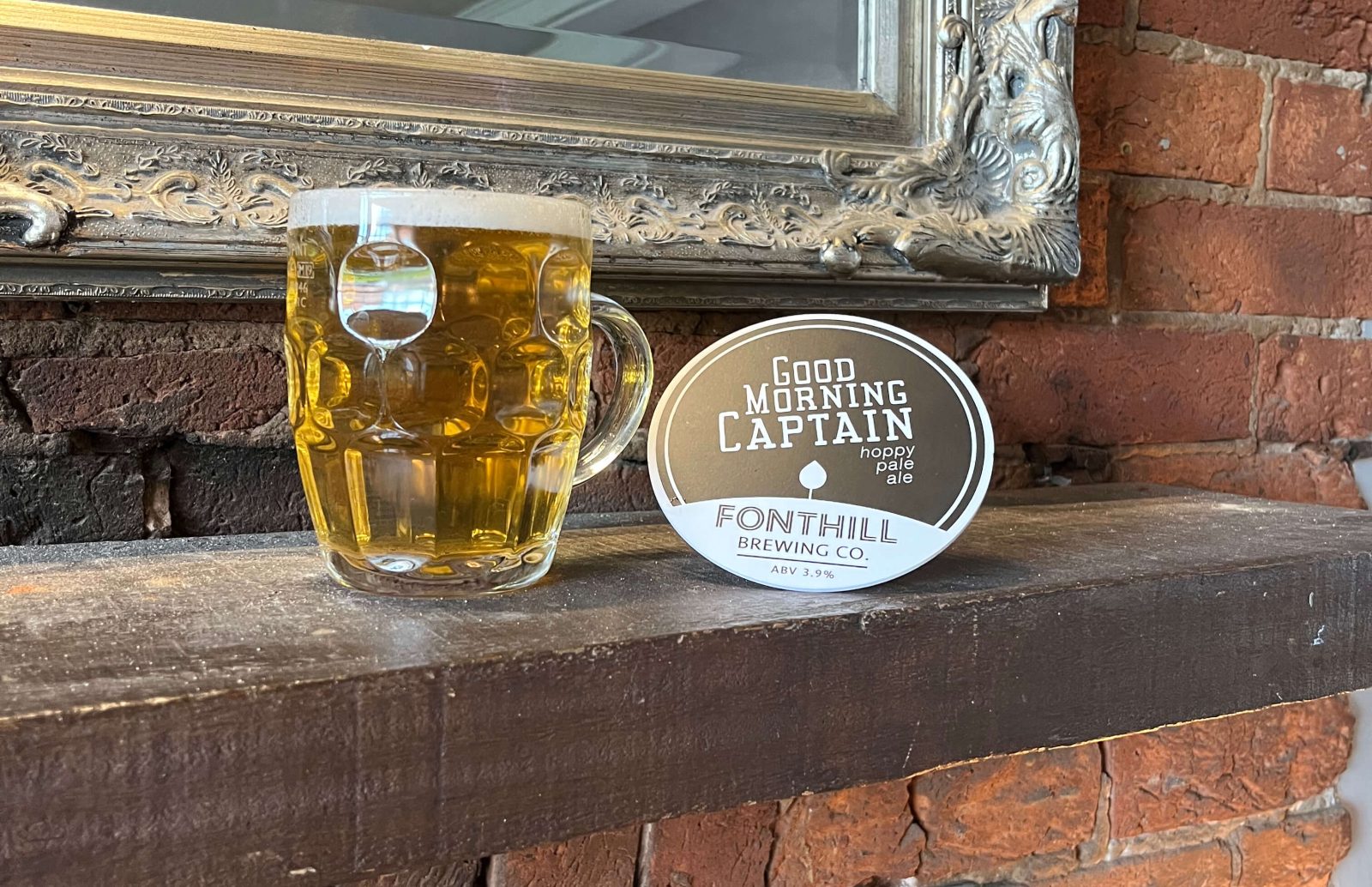
- Fonthill Good Morning Captain
- Long Man Best Bitter
- Gun Zamzama
- Pig & Porter Apparition Stout
- Whiplash Brewery – Slow Life (nitro stout)
- Paulaner – Weissbier Dunkel
If you’re not sure where to start, just ask at the bar. We’re always happy to help you find something that fits your mood, not just the weather.
Best Way to Drink Winter Beers
Temperature
Unlike light lagers, winter beers show their best flavours just below cellar temperature. Too cold and you lose the richness; too warm and the balance disappears.
Glassware
The right glass makes more difference than most people realise.
- Wider bowls help release aroma
- Thicker glass keeps temperature stable
- Stem keeps hands from warming the beer too much
- Tulip, chalice, and goblet glasses help head retention
If you’re curious, we’ve broken this down fully in our guide to Beer Glass Types.
Choosing Your Perfect Winter Pint
Not sure where to start? This’ll help:
- Looking for something cosy but sessionable: Choose a bitter, brown ale, or amber ale
- A pint for after dinner or slow sipping: Porter or stout
- Long night ahead: Pick a lower-ABV cask ale with malt focus
- Normally drink lager? Try a malt-forward ale before jumping straight to stout
And if you want to get more analytical (or just geeky about it), this How to Taste and Rate Beer guide by Fonthill Brewing Co includes a flavour descriptor cheat sheet that makes recognising these differences far easier. For even more fun, take a look at the Fonthill Brewery Scorecard, and have some fun rating and reviewing Fonthill craft beers.
Winter Beers, Food & the Pub
Winter beers really shine alongside pub food such as roasts and slow-cooked meats, pies, mash, and gravy, and cheese boards and rich sauces.
Malt sweetness complements savoury dishes beautifully, which is why darker and amber beers have always been pub-food favourites.
Are There Winter Beer Festivals?
There are — though they’re usually smaller and more traditional than summer beer festivals.
Winter beer events tend to focus on cask ales and stronger seasonal brews. These beer festivals are less about novelty and more about craftsmanship — much like winter drinking itself.
If you’re interested in going to the next big winter beer fest, we recommend keeping an eye on CAMRA’s events page.
Winter Evenings at Our Pubs in Tunbridge Wells
Winter at The George and Sussex Arms is all about warmth (we’ve got our fires on), steady conversation, familiar faces, and, of course, pints that feel right for the moment. Not rushed. Not flashy. Just good beer, poured well, when you need it most.
They reckon it’s going to be pretty cold outside over the next couple of weeks. We’ll still be open though, and the fires are roaring. So pop in, hang up your coat and find something comforting at the bar.
Related Posts
Fonthill Brewery’s Best Beers
What is Dark Beer? A Complete Guide
What is Craft Beer?