Real ale — sometimes called cask ale or cask beer — is one of Britain's great contributions to drinking culture. It is living beer: conditioned in the vessel, served without forced gas, and at its best when a pub looks after it properly.
This guide explains what real ale is, how it differs from keg beer, why CAMRA still champions it, and where to try it at The George and around Tunbridge Wells. For the wider beer syllabus, see our Beer & Brewing Culture Guide.
What is real ale?
In short: beer that finishes conditioning in the cask (or bottle) and is served without carbon dioxide being forced into it from a cylinder.
That secondary fermentation creates a gentle natural sparkle. Flavours tend to be softer and more expressive than highly carbonated keg beer. Temperature is cellar-cool rather than ice-cold — typically around 11–13°C — which lets malt and hop character come through.
CAMRA popularised the term "real ale" in the 1970s to defend traditional brewing and pub cellarmanship when keg lager was sweeping the country. The campaign still matters: good cask needs skill, turnover, and care.
Real ale vs cask vs keg
People often use the words interchangeably. Here's a practical way to think about it:
| Term | Meaning |
|---|---|
| Cask beer | Beer served from a cask, usually via handpump or gravity |
| Real ale | Beer that conditions in the vessel and is not served under added CO₂ pressure — usually cask in pubs |
| Keg beer | Beer sealed under pressure and dispensed with gas — consistent, longer-lasting, often fizzier |
Want the deep dive on vessels and serving systems? Read Cask vs Keg: What's the Difference?.
Why real ale tastes different
- Softer carbonation — not flat; gently lively
- Warmer serve — cooler than room temperature, warmer than fridge lager
- Living product — flavour evolves over the life of the cask
- Short shelf life once tapped — usually a few days, so busy pubs pour better pints
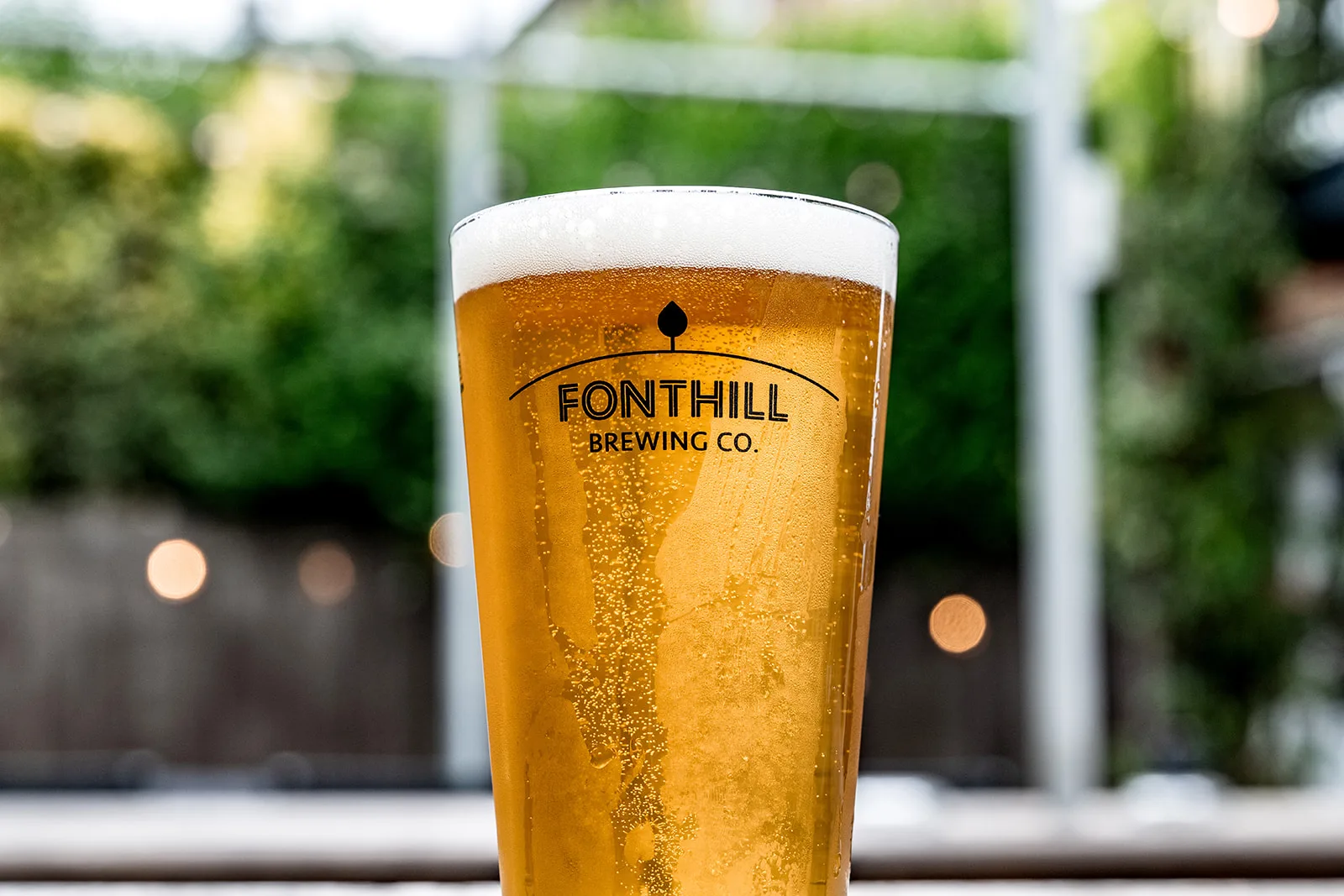
If you prefer bold, ice-cold hop bombs every time, you may prefer keg IPA. If you like bitterness, malt, and subtlety that changes as you drink, real ale is for you. Many of us like both — which is why Fonthill Brewing Co. produces cask and keg.
How real ale is made (briefly)
- Brew and ferment as usual
- Condition and clarify (many modern breweries use vegan-friendly finings — see Is Beer Vegan?)
- Rack into casks with a little residual sugar and yeast
- Secondary fermentation in the cask builds natural condition
- At the pub, the cask is stillaged, vented, and pulled through a handpump (or poured by gravity)
For glassware that suits real ale, see our beer glass types guide.
Where to drink real ale in Tunbridge Wells
At The George
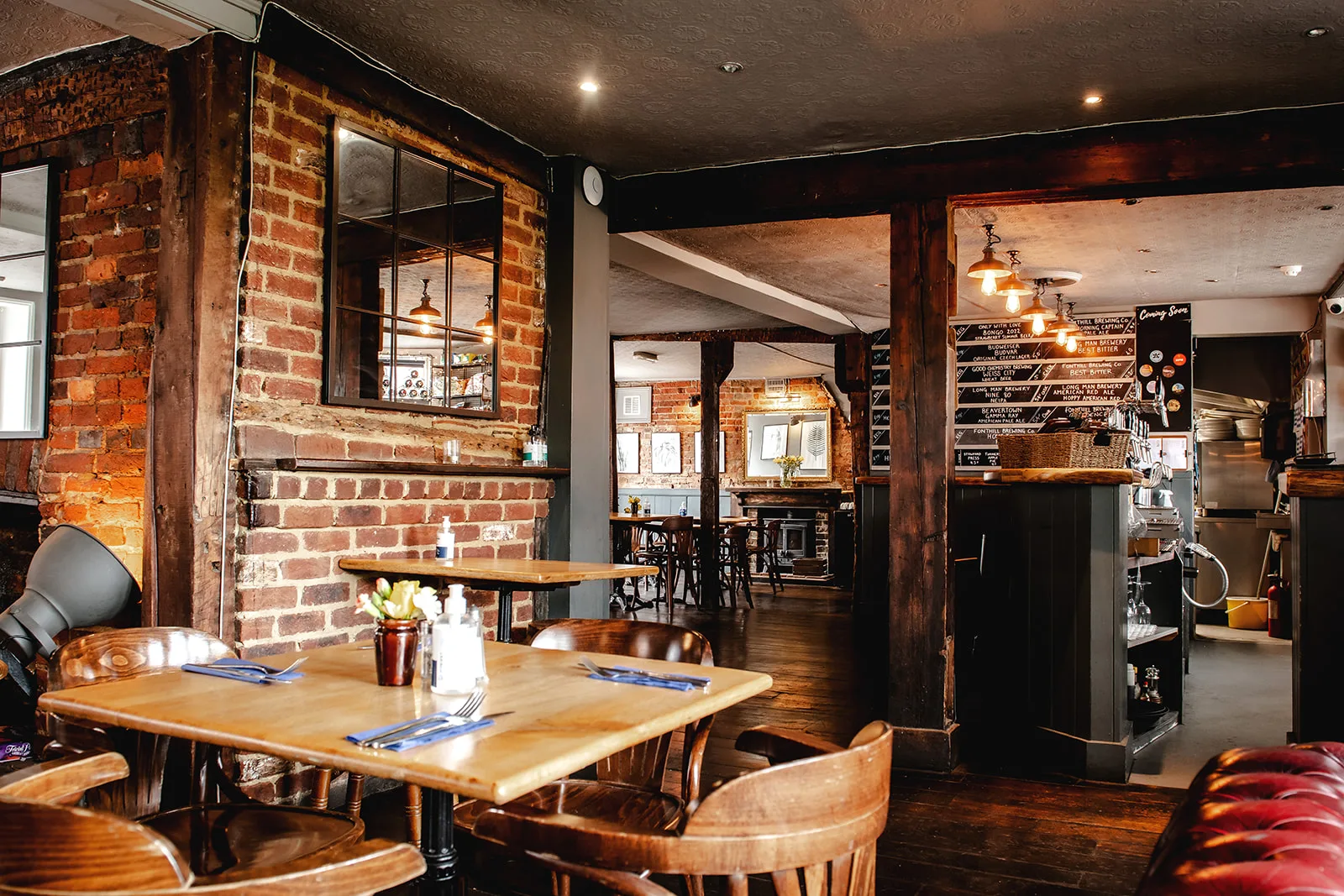
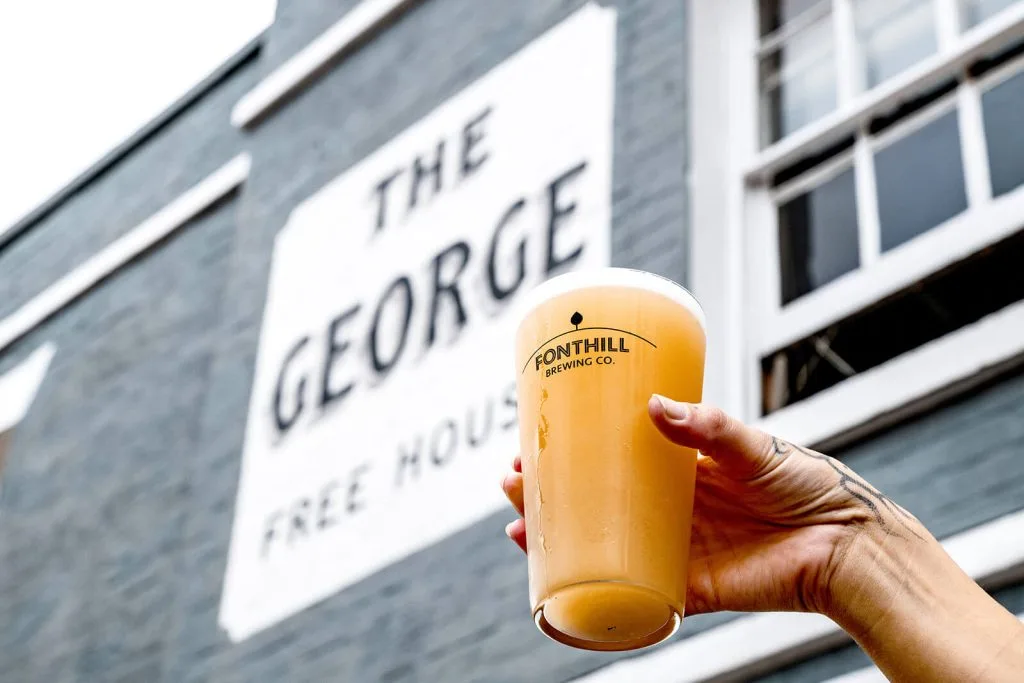
We are a brewpub. Fonthill cask often sits alongside keg and guest beers. Ask what's on handpump today — pale ales, bitters, and seasonal beers (including green hop when in season) regularly appear as real ale.
Pair a pint with pub food Thursday to Sunday, or take it into the secret garden.
Elsewhere in town
- The Sussex Arms — freehouse sister pub with strong guest-beer lines
- Fuggles Beer Café — serious about cask and craft
- The Royal Oak — rotating Kent and Sussex handpumps
- Country free houses such as The Halfway House in Brenchley for cask-from-the-barrel sessions
For a fuller map, see craft beer in Tunbridge Wells and best pubs in Tunbridge Wells.
Real ale for events
If you're hosting a party and want authentic cask on the bar, talk to us. The Fonthill Taproom can be hired for private events, and the brewery can advise on cask vs keg for your guest numbers. See also how many pints in a keg for rough volume planning.
Bottom of the glass
Real ale is not nostalgia for its own sake. It is living beer, looked after by people who care, poured in pubs that still feel like pubs. Come and try it at The George — then read on through our Beer & Brewing Culture Guide if you want to go deeper.
You may also enjoy: